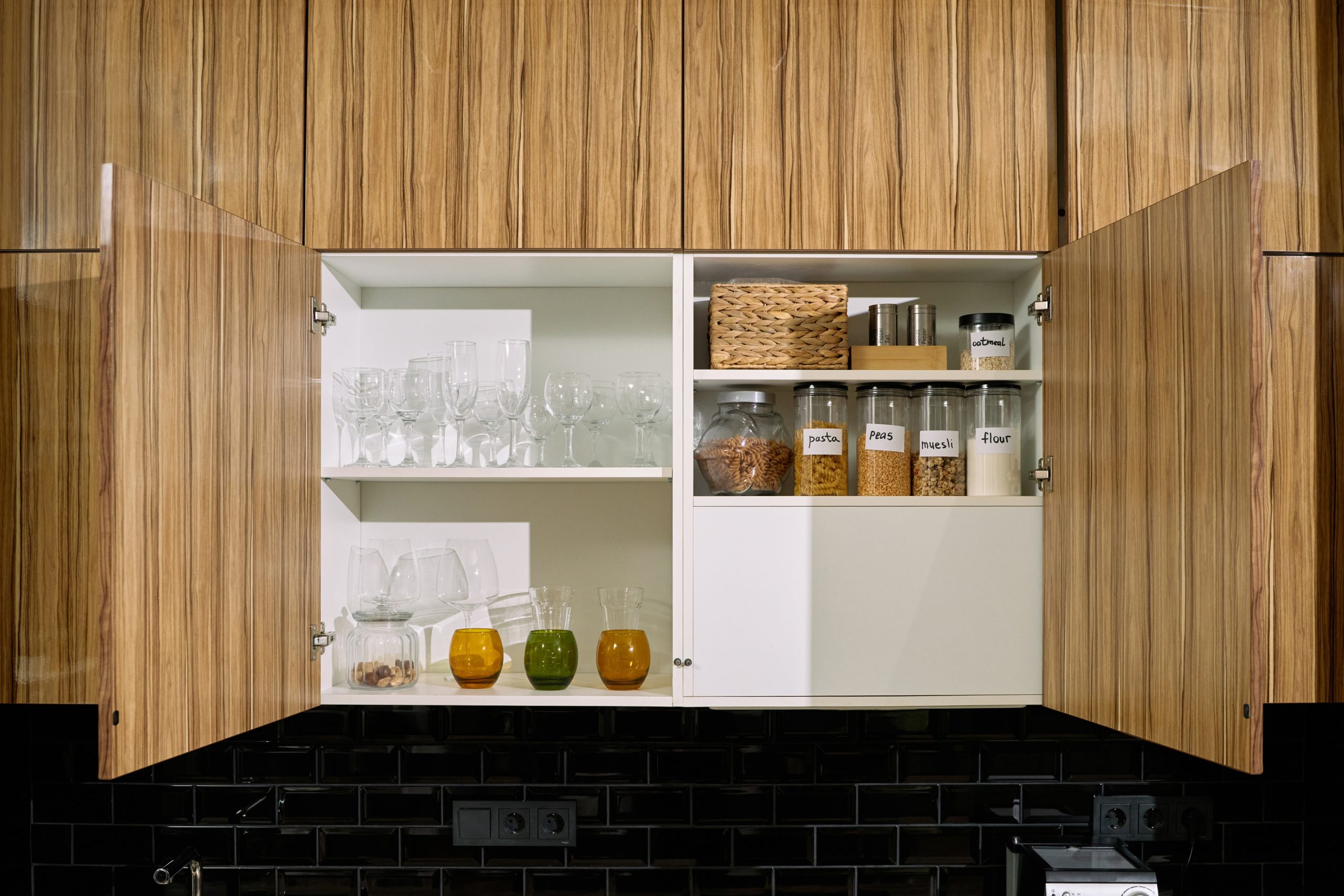
Maximizing Your Space with the Right Kitchen Cabinets Upper Configurations
A few years ago, a family from Portland decided to give their kitchen a renovation since they realized that they were running out of space. They had appliances on their countertops, while their dishes were piled in a haphazard manner. Even though their kitchen was not small, it felt cramped. After removing their soffit, which was from the 80s, they were then able to get almost 30 percent more space without even having to enlarge their kitchen.
This is the larger picture. Storage and organization are always top concerns for homeowners who want to renovate their kitchen. Moreover, the National Association of Realtors Remodeling Impact report states that kitchen renovations remain at the top of the list of best improvements for a homeowner who wants to sell their house. Storage design is at the heart of this.
Upper configurations in a kitchen are sometimes overlooked, especially for homeowners who want to give their kitchen a renovation. Homeowners sometimes concentrate on countertops, appliances, and backsplash. However, upper configurations play a huge role in how a kitchen feels, looks, and even flows. A kitchen can look cramped even if it is large, especially if the upper configurations are not done right.
This article will discuss who needs to reconsider their upper configurations, who does it right, and who does not need to do anything at all.
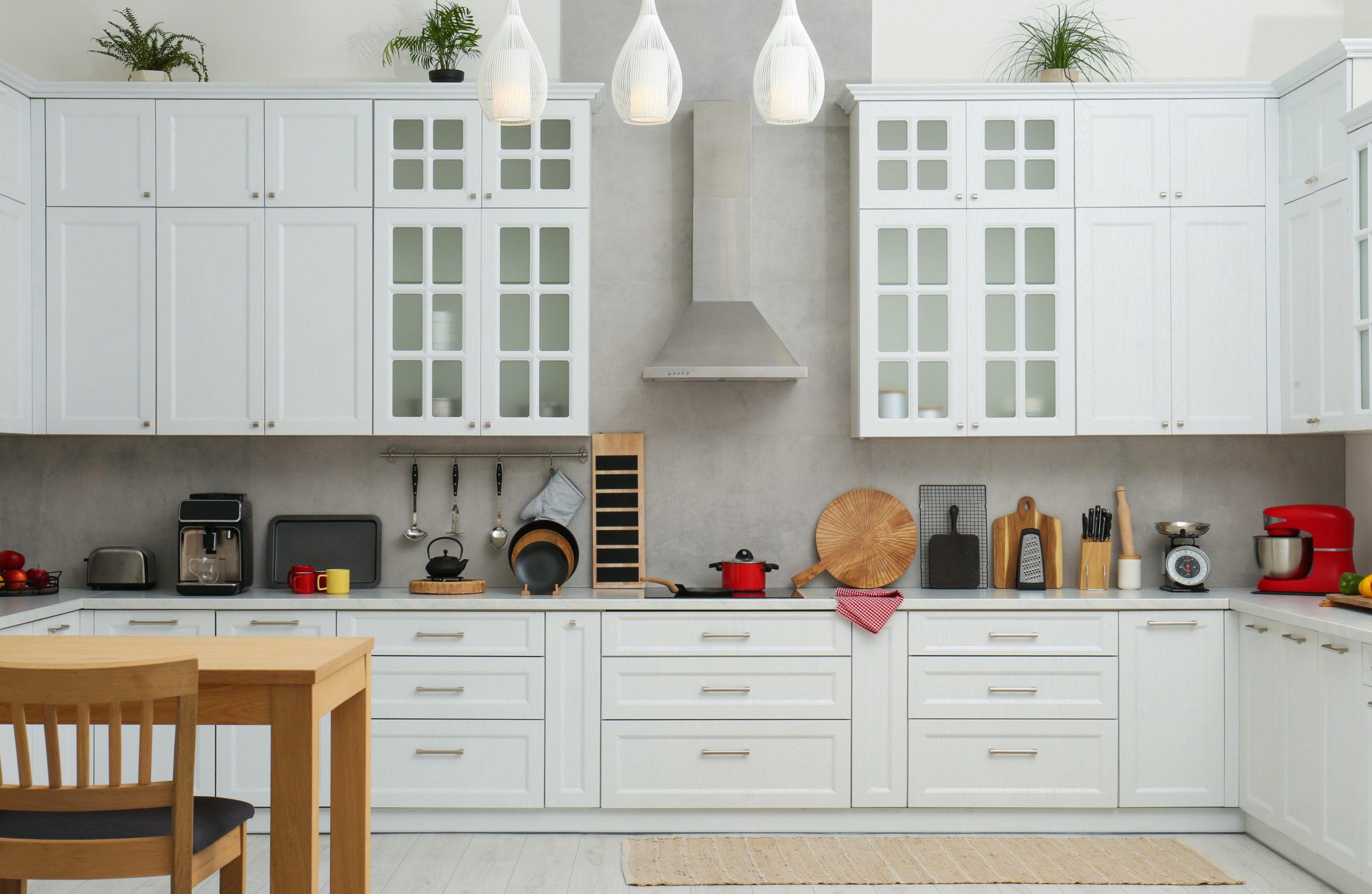
Who Needs an Upper Kitchen Cabinet Configuration?
Not every kitchen necessarily requires a total redesign, but some homeowners stand to gain a lot by a well-thought-out design for their upper kitchen wall cabinets.
The design of your kitchen cabinets is important, and you should be aware that a change in the design of a single wall cabinet can improve its storage capacity and aesthetics without necessarily altering the room’s size.
Homeowners with limited kitchen space need a precise design, especially if they live in an apartment, condominium, or an older home with a limited number of square feet. When you have no room to expand, you must expand storage capacity vertically.
The size of the cabinet is another factor to be considered in small kitchens. A large cabinet will make the kitchen feel too large, while a small one will not provide enough shelf space. The ideal solution is to have a combination of upper closed cabinets with an open section of shelves. This way, enough space is maintained without compromising on the storage.
Families who frequently cook at home will benefit from practical access to dishes, spices, cookware, and food storage. If poorly configured, upper cabinets will prove to be frustrating.
If you often have to reach over your stovetop to grab spices, balance dishes in unstable stacks, or store everyday items in the lower drawer because the upper cabinet is inconvenient, then the issue may not be quantity. The issue may be a configuration.
Homebuyers are interested in storage space, even though they may not necessarily express this concern as an issue during the buying process. They do, however, respond favorably to an organized-looking kitchen.
Homebuyers, when touring the kitchen, are evaluating the space from both aesthetic and operational perspectives.
How the Right Upper Cabinet Configuration is Done
The configuration of upper cabinets is an important aspect of kitchen design that combines practicality with architecture.
The process begins with the ceiling height and the room’s proportions.
- For 8-foot ceilings, the standard upper cabinet height is 30-36 inches.
- For 9-foot ceilings, stacked upper cabinets or 42-inch upper cabinets can be used.
- For 10-foot ceilings, custom upper cabinets are ideal.
There are also issues of wasted space if the gap between the upper cabinets and the ceiling is too large. This can also result in dust accumulation. Using upper cabinets can greatly improve the kitchen’s overall look.
However, there is also the aspect of proportions that must be taken into account. Large upper cabinets can make the kitchen look too top-heavy if the kitchen is small.
The configuration of upper cabinets must also take into account the kitchen work triangle. The kitchen work triangle is the triangle formed between the sink, the stove, and the refrigerator.
- The configuration of upper cabinets should support the different zones of the kitchen.
- The cooking zone should include the upper cabinets used for holding spices, cooking oils, and cooking utensils.
- The prep zone should include the upper cabinets used for holding the mixing bowls and the measuring cups.
- The cleaning zone should include the upper cabinets used for storing dishes and glasses.
- The food storage zone should include the upper cabinets used for holding the food items if there is no pantry.
The configuration of upper cabinets is also important from the perspectives of convenience and aesthetics.
Consider Your Cabinet Depth and Door Style
The standard depth of an upper kitchen cabinet is 12 inches. However, in certain configurations, increasing the depth of the wall cabinet to 15 inches may provide additional storage space for larger dishes or serving items. But remember, deeper cabinets may compromise storage space in smaller kitchens, making it essential to choose the appropriate cabinet depth according to the room dimensions and the height of the ceilings.
When choosing the design of the cabinet, you should always consider the balance between functionality and aesthetics. The ideal wall cabinet design in the kitchen should always be in proportion with the base cabinet below, creating a horizontal line from the countertop to the top of the cabinet. However, if the upper cabinet is too deep or too tall, the room may end up looking closed in.
The door style you choose will greatly influence the look of the room. The flat panel door design gives you a sleek, modern look. The classic shaker cabinet door is one of the most popular door designs, as it works well in both traditional and modern settings.
Adding glass inserts to certain cabinet doors can also help open up the upper portion of the kitchen. This is especially important if using darker color tones for the cabinets, such as gray or stained woods.
Open shelving can also be an option for the kitchen design. Replacing a cabinet with floating shelves can add openness while maintaining accessibility for the homeowner. This is best done if the homeowner is willing to maintain the open shelving.
For the cabinet finishes, homeowners can use various colors, such as white for smaller kitchens, because of the brightness it offers. Homeowners can also use a wood finish that offers character to the kitchen. Matte or satin finishes are also great because of the smooth look they offer the kitchen. Again, the price of the remodel must be taken into consideration.
Integrate Kitchen Lighting Thoughtfully
The function of upper cabinets is affected by lighting, especially with regard to under-cabinet lighting, which increases visibility across countertops and reduces shadows that are cast by overhead lighting.
LED strips under each wall cabinet will ensure even illumination across the countertops, increasing workflow between the sink, range, and refrigerator. It will also make decorative items behind a glass cabinet door easier to see or help locate items on an interior shelf.
The integration of lighting into cabinet design should be considered, especially regarding its function, and should not be an afterthought.
The interplay between light, cabinet color, and countertops must also be considered, especially with regard to how a white cabinet will reflect light, while a darker gray or stained wood will absorb light, balancing the entire kitchen.
Balance Upper and Lower Cabinet Weight
One of the biggest mistakes in kitchen design is overusing the upper portion of the room. When there are too many upper kitchen cabinets, the room can take on a heavy look, especially if tall base storage elements are used as well.
The upper kitchen cabinets should complement the base of the room. When there are many upper kitchen cabinets and just as many base kitchen cabinets, the room can lose its open look. In some cases, replacing a solid row of upper kitchen cabinets with a feature element can create a more balanced look.
Some of these features can include:
- A large window that lets in more natural light.
- A range hood is installed above the cooking station.
- Floating shelves that create a less heavy look.
- A dramatic backsplash that is complemented by minimal cabinetry
The idea is not to remove the upper kitchen cabinets entirely but to use them thoughtfully throughout the room. When the color, size, and finish of the upper kitchen cabinet are the same as the base cabinet, the kitchen looks like one cohesive piece.
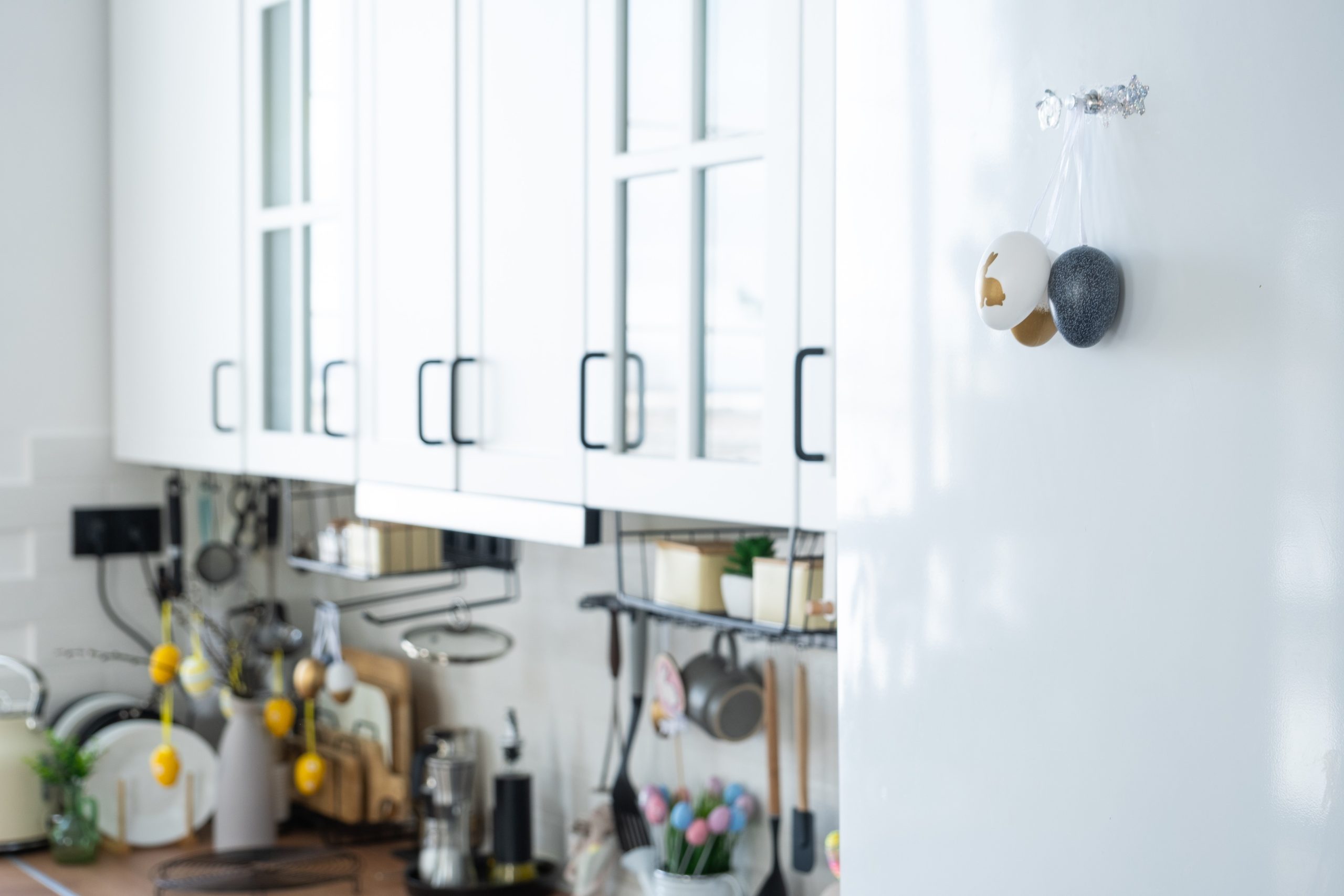
Customizing Your Cabinets for Lifestyle Fit
Since every household has a different way of using its kitchen, there is no “one” solution for cabinets. A household with young children may prefer a lower drawer cabinet for cups and plates, while a homeowner who entertains frequently may prefer a glass-front wall cabinet for serving dishes.
A homeowner who uses their kitchen for meal preparation every day may prefer a different shelf height than a homeowner who rarely uses their kitchen.
As a homeowner considers their kitchen, it is important to shop around for cabinets, comparing construction, quality, and price. It is also important to select cabinetry that suits their needs, not trends.
Customization is not about selecting the most expensive or “most dramatic” option. It is about selecting the right cabinet size, door style, color, and finish for their needs. When your upper cabinets suit their real-life needs, your kitchen will work better for you.
The Long-Term Value of Smart Upper Cabinet Design
The goal of kitchen design is to solve problems that are real. Storage is one of the most common problems that homeowners face.
Well-designed upper cabinets can help homeowners achieve the following benefits:
- Clear countertops.
- Efficient workflow.
- Better resale value.
- Beautiful display of premium finishes.
- More storage without increasing the square footage of the kitchen.
In combination with premium countertops from Stone International, the final product is a kitchen that is both beautiful and thoughtful. It does not take much square footage to make a kitchen feel large. What it does take is intelligent design!
The Portland family that worked with us to redesign the upper cabinet configuration didn’t add square footage to the kitchen. They didn’t remove any walls. What they did was rethink the configuration of the upper cabinets. The end result was a cleaner countertop, a more efficient workflow, and finally a kitchen that reflected the way they really live.
The configuration of the upper cabinets is not just about the number of boxes that are placed on the back of the wall. It is about proportion, accessibility, balance, and sometimes the complete lack of change.
The answer is clarity. How do you use your kitchen? What are the pain points? Then design upward.
The difference between a kitchen that simply works and one that really works lies in the combination of cabinetry, lighting, and stone that creates a cohesive look that permeates the entire room.