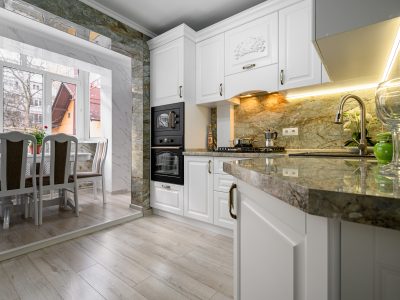
Looking for Wholesale Cabinets in South Florida? Start With These 5 Questions
You’re comparing quotes for wholesale kitchen cabinets. One estimate looks quite a bit lower than the others. But then you realize the finished sides of the island aren’t included. Neither is the trim for the upper wall cabinets. Labor is separate, too.
Before spending a Saturday choosing door colors, get the scope clear. These five questions will help you shop for cabinets in South Florida, whether you’re a homeowner planning a kitchen remodel or a contractor purchasing for a client.
1. Can I buy wholesale cabinets for my project, and what does the price include?
Find out whether the supplier sells only to trade professionals or also to the public. Wholesale buying requirements vary, so don’t assume you need a large order or a contractor’s account.
Stone International sells wholesale kitchen cabinets to the public. As a direct importer and wholesale distributor, it serves residential and commercial projects. Its website describes orders from a single cabinet to an entire hotel.
Request an itemized quote and provide each kitchen cabinet store with the same floor plan. Be specific about sizes, quantities, door style and hardware. Have the supplier identify what’s included, what costs extra and what is excluded.
Check the trim: fillers, finished end panels, toe kicks and crown molding. Then check handles, knobs and storage accessories. Assembly, delivery, installation, removal of existing cabinetry and disposal also need to be accounted for. These are items to clarify, not charges to assume.
Separate material costs from installation costs when reviewing the estimates. You’ll have a better idea of how the prices compare if each quote covers the same work.
If a contractor is managing your project, agree on who issues the purchase order and who authorizes design changes. You want to avoid ordering cabinets from an outdated plan. Once the scope and costs are clear, you can choose the style and finish with a better understanding of what fits your budget.

2. What are these kitchen cabinets actually made of?
“Wood” can describe several parts of a cabinet without telling you how each one is built. Don’t rely only on a brochure’s description of the whole product. Look at the door frame and center panel, the cabinet box, the drawer boxes and the shelves separately.
For example, Stone International’s Shaker Origami White has solid wood door stiles, a plywood center panel and a plywood cabinet box. Its specifications also list a solid wood dovetail drawer box, soft-close glides and soft-close hinges. That’s useful information to compare with the exact collection on another quote.
The hardware matters as much as the appearance. A drawer that doesn’t open far enough can make the back of your storage space awkward to reach. At the showroom, open doors, pull the drawers out, and test the hardware. Find out whether the drawers have full extension, whether doors and drawers have soft close, and how the hinges adjust. Don’t assume that hardware included in one collection comes with every other style.
Bring a floor sample and your countertop selection to check against the finish. A phone screen can’t show you exactly how they’ll look together. With stained wood, discuss the grain and color variation you can expect. Ask for cleaning instructions and written warranty terms, including how to report a damaged door or finish problem. Quality cabinets still need appropriate care; their material description isn’t a durability guarantee.
3. Who will check the kitchen design before I order?
Give your designer the information they need: a sketch of the room, photos of each wall and the model numbers of your appliances. Include the ceiling height, windows, doorways and sink location. Stone International’s measurement guide can help you put together that first sketch.
Stone also offers a design service from initial measurements to three-dimensional models. Establish who will verify the dimensions before you approve the order. A rough sketch is a starting point, not something to guess from when ordering a roomful of cabinetry.
Walk through the proposal in detail. Look at the corners and the dishwasher beside the sink. Picture opening the drawer next to the range. For the refrigerator, check the manufacturer’s installation requirements: fitting the appliance into an opening doesn’t necessarily give its doors enough room to open fully.
Bring a list of the larger pots and small appliances you need to store. If you want pullouts or other accessories, check that they fit the chosen units. You don’t want to discover after installation that your favorite baking tray needs a different storage arrangement.
This is also the time to discuss available cabinet sizes. Designing a layout for your room doesn’t necessarily mean the supplier makes custom cabinets in any width or height. Have the designer show you where fillers are needed and explain any size limits.
Compare cabinet styles in the context of the whole room. White shaker doors, a wood finish and modern styles can each look appealing on their own. Your lighting, flooring and adjacent rooms should help settle the choice, rather than whichever trend you saw most recently.

4. Are assembly, delivery and installation arranged for my order?
RTA means ready-to-assemble. If you’re considering a wholesale RTA offer, make sure you have enough room and time to assemble the cabinets, along with the tools the job requires. Compare that work with an assembled option when reviewing the total cost of your kitchen renovation.
Ready-to-assemble and preassembled don’t tell you whether installation is included. Stone International offers preassembled options for DIY projects and also provides installation services. Confirm the format and scope of your particular order, especially if you’re hiring your own professional installer.
Have the supplier check the complete cabinet list for availability, including trim, fillers and matching panels. A showroom display doesn’t establish that every piece you need is ready. Get an order-specific schedule and find out what happens if something is delayed before you set a demolition date.
In a South Florida condo, you may need to reserve an elevator or arrange loading access. Check with building management about permitted work hours and give those details to the supplier and installer before scheduling delivery. In a house, plan where to put the cabinets so they don’t block the work area.
When the order arrives, check the items against the packing list and photograph visible damage. Agree in advance on the procedure for reporting missing or damaged items. Keep the paperwork until everything is resolved.
Cabinet installation must be coordinated with other trades, including countertop measuring. Find out who will schedule the work and who you should call if there’s a problem. Specific answers are more helpful than general assurances about fast service.
5. What should I review at the showroom before saying yes?
Go to the showroom prepared to settle anything still unclear from estimates and photographs. Have your current drawing, appliance details, flooring and countertop samples at hand. If you’re also buying bathroom cabinets, keep those measurements and selections separate from the kitchen plan.
Look for the sample that matches your quote to verify the finish and cabinet interior. Stone’s listings note that interior color may differ depending on material supply. If you want a specific interior, ask before ordering.
Before you commit, find out whether an unused cabinet purchased in the wrong size can be returned. Review the payment, cancellation, return, and warranty terms while you can still make changes to your plan.
Online ratings can help you decide where to shop, but these reviews won’t answer specific questions about your order. Ask how design changes and drawings are approved, and how replacement parts are ordered. A knowledgeable salesperson’s responses will give you more useful customer service information than a sales pitch. Before you leave, request a dated drawing that includes the agreed changes, plus a written list of anything still unresolved.
Bring your five questions to Stone International’s South Miami location at 10400 SW 186th St. or its Hialeah location at 7215 West 20th Ave. Contact Stone International at (786) 930-4722 to discuss your project and confirm where to visit. A useful first visit should leave you knowing what you’re ordering, who will do the work, and what needs checking before you say yes.