Marble Kitchen Countertops: How They Hold Up to Real Daily Use
Marble has long been one of the most popular materials in kitchen design. It’s been used in both classic and modern homes, often as the focal point. However, despite the aesthetic value, many homeowners still wonder how marble kitchen countertops perform in daily use.
Whether marble is the right choice for your countertop depends on how you use your kitchen. Marble is attractive, but its performance and maintenance requirements differ from granite, quartz, and other surfaces.
Stone International specializes in sourcing, manufacturing, and distributing top-quality natural stones such as marbles, granites, and other premium stones that can be incorporated in custom kitchens and bathrooms. Understanding how marble performs in real life helps you make an informed decision based on your lifestyle.
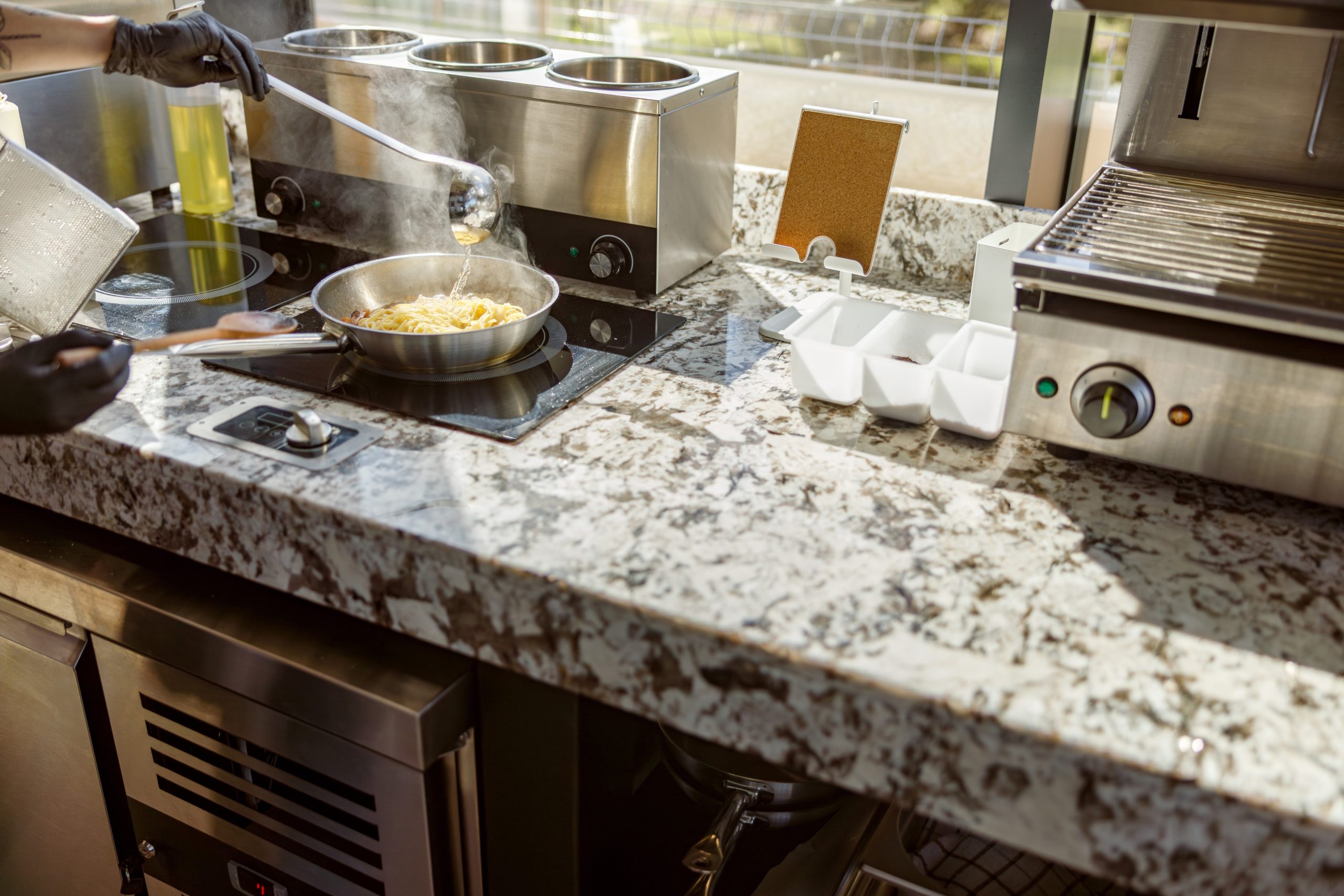
What Makes Marble Kitchen Countertops Unique?
Marble is a natural stone formed over time under heat and pressure. The characteristics of each slab are unique, so you will not find two identical countertops.
The primary advantage of installing marble countertops in your kitchen is aesthetics. For example, white marble reflects light well, making it ideal for bright, clean kitchen designs. As a result, the room feels brighter and more spacious.
Another key characteristic of marble is that it is softer than other stones. This softness is what gives marble its unique texture. Moreover, it can show more surface wear over time.
Marble has a long history that helps explain its appeal today. It was popular in ancient architecture and sculpture. Marble was one of the most desirable building materials in ancient Greek and Roman civilization.
1. Daily Cooking Performance
In practical terms, marble works well as a kitchen countertop. It is sturdy and solid enough for regular kitchen work.
In everyday cooking, marble can handle:
- Preparation of food and cutting (using boards)
- Kneading dough and baking work.
- Constant exposure to dry food ingredients.
An added advantage of marble countertops is that they stay cool, making them ideal for baking.
However, because cooking involves repeated contact with the surface, this is where differences start to show. While the rock itself remains fine, the surface does show signs of use.
2. Staining from Everyday Spills
Staining is one of the main concerns for people who choose marble countertops.
Due to its porosity, the stone can become stained if any liquid remains on its surface for an extended period.
The list of common items that may cause staining includes:
- Coffee and tea
- Oil
- Red wine and dark-colored juices
- Sauces from food
Ultimately, it depends on how quickly spills are cleaned. In many cases, cleaning the area immediately after a spill will prevent stains from forming, while leaving liquids on the surface can allow them to seep in and cause stains.
Although sealing prevents staining, it does not make the surface impermeable to liquids. Therefore, marble can withstand everyday spills, as long as one acts quickly enough.
3. Etching from Acidic Ingredients
Etching is a frequently misunderstood element of marble behavior. It’s simply a chemical reaction that happens on the surface, not deep within the stone.
Some of the common acids that cause etching are:
- Lemon juice
- Vinegar
- Acidic foods like tomatoes and citrus fruits
- Cleaning products
Once these compounds come into contact with a marble surface, they can result in dulling or discoloration of the surface material. Etching tends to show up most noticeably on marble surfaces that have been highly polished, as the reflective nature of the stone highlights any changes in surface quality.
4. Scratch Resistance in Daily Use
Marble is softer than granite and quartz, making it more susceptible to scratch marks.
Scratches may happen due to:
- Cutting without a chopping board
- Moving cookware across the surface
- Heavy kitchen equipment
Such scratches tend to be minor, but their frequency increases in high-traffic areas. Since marble has natural veining, it will not be easy to notice scratch marks on its surface. This way, marble remains aesthetically pleasing despite prolonged use.
However, scratch marks do not impair functionality; they only affect aesthetics.
5. Heat Resistance in the Kitchen
Resilience against heat is another advantage of marble that should be considered when comparing marble to other products.
Under normal circumstances, marble can endure:
- Placing hot pots on the surface for short periods.
- Hot temperatures in the kitchen area.
- Heat from nearby cooking and baking.
As a natural stone, marble will not melt or deform when used normally in the kitchen.
Nevertheless, exposure to very high temperatures and temperature changes may affect sealing and the appearance of the surface in the long run.
6. Wear and Surface Aging Over Time
Marble surfaces change gradually over time, depending on how they’re used.
In a frequently used kitchen, one may observe:
- Softening of the polished finish.
- Slight dulling in high-use areas.
- Gradual development of surface character.
This process of changing is known as patina.
Patina should not be confused with damage to the marble because it simply involves the aging of the material due to its environment. While some people appreciate this aspect of marble, others may dislike it.
Ultimately, what is important is the homeowner’s expectation of their marble countertop. A marble counter will not retain its original form after installation.
7. Kitchen Island Usage and High-Traffic Areas
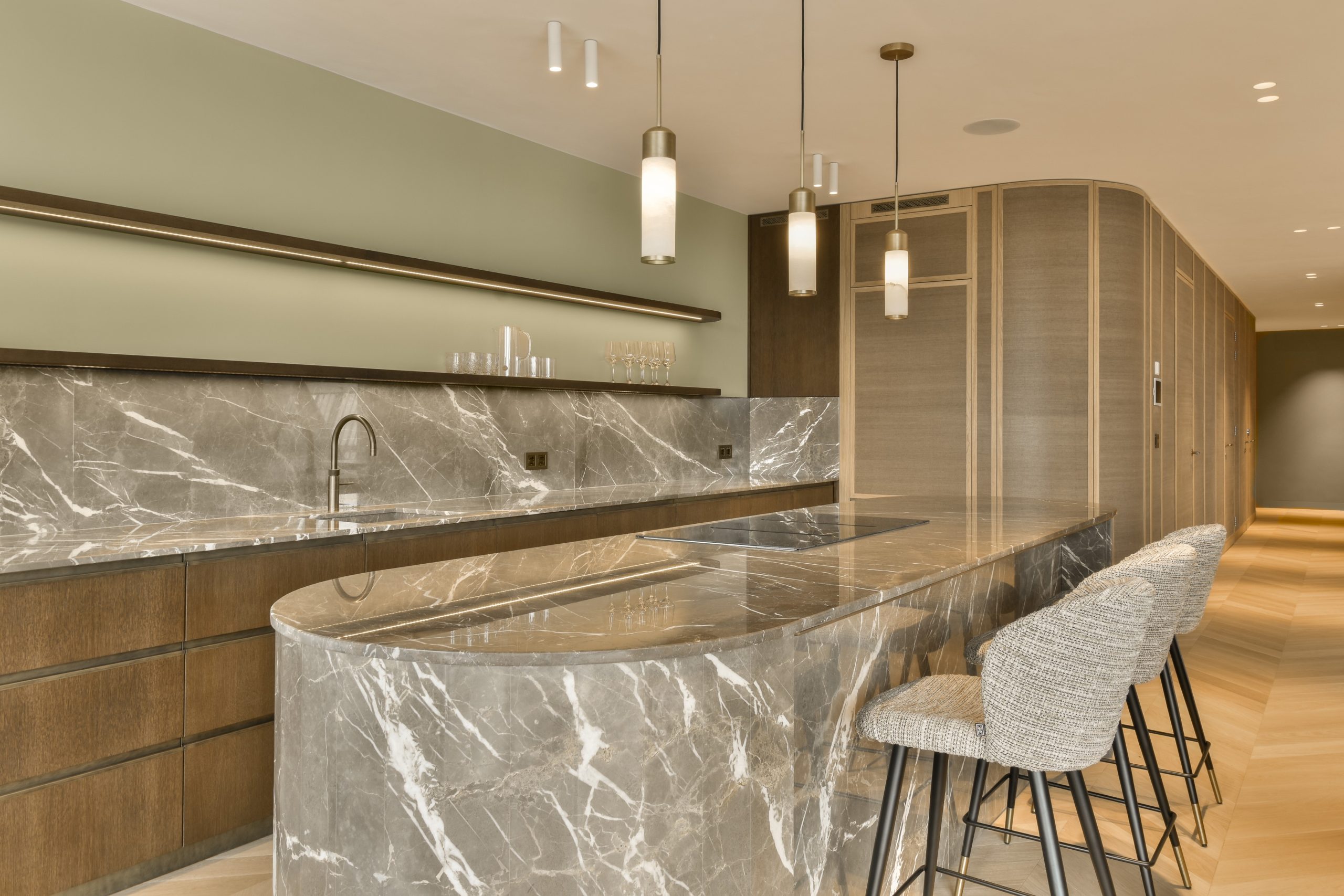
Kitchen islands usually have the most action taking place in the room since it is used as a preparation table, dining table, and assembly area, which means it sees more use compared to other countertop surfaces in the room.
If you have a marble island, expect it to wear faster. You may see marks in the center and some dullness from heavy use. That doesn’t mean it’s performing poorly—it just reflects how much the space is used.
Most people prefer marble for their island and granite or quartz for their other countertop areas to balance beauty and functionality.
Marble vs Granite or Quartz: Which Holds Up Better Daily
Comparing materials makes it easier to understand what is meant by “holding up.”
Granite Countertops
- Scratches less easily
- Not as reactive to acids
- More robust for wear and tear
Quartz Countertops
- Very stain and scratch-resistant
- Easy to maintain
- Stays the same throughout its life
Marble Countertops
- Durable structurally
- Aesthetically reacts to usage
- Naturally forms a patina through use
So which one holds up better?
The choice depends on your idea of “holding up.” If you think that it is remaining intact, then a quartz or granite countertop will work better.
If longevity and character matter most, marble is excellent.
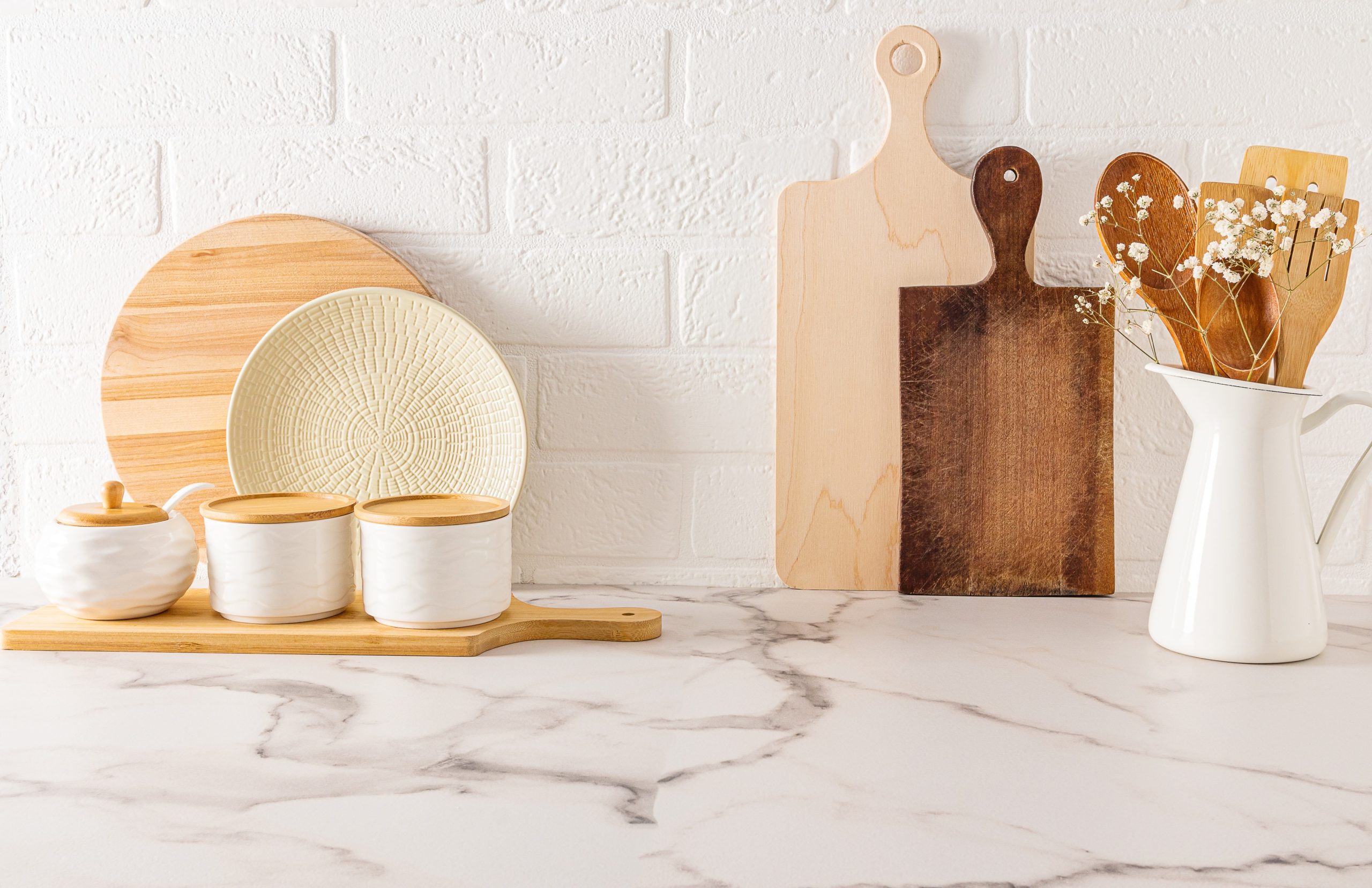
Long-Term Performance: How Marble Ages in a Real Kitchen
The most distinguishing characteristic of marble compared to other surfaces lies in its aging process. Marble is not static. It changes.
Over the course of several years, it shows signs of:
- A worn surface
- Wear and tear
- Natural patina corresponding to the activities of the kitchen
This is why marble is often described as “aging gracefully.” Its structure does not change; rather, its appearance changes. In many cases, this is one of the most attractive features for homeowners.
Maintenance Tips to Help Marble Countertops Hold Up Better
Marble is durable, and with just a little extra effort, you can have a large impact on the aging process.
Basic upkeep involves:
- Immediate clean-up of spills, particularly acidic ones
- Utilizing cutting boards during food prep
- Cleaning with gentle and non-acidic cleaning solutions
- Periodically sealing the marble surface
There’s no need to overcomplicate it. All of these things should be common practice when using your kitchen space anyway. It’s not about preventing any damage from happening; it’s about reducing the rate at which damage occurs.
Well-maintained marble countertops can last a lifetime.
Do Marble Kitchen Countertops Hold Up to Real Daily Use?
Yes, marble kitchen countertops can handle everyday use.
In fact, they are durable and resistant enough to allow all regular kitchen activities without damaging the countertop structurally.
Yet, such countertops are not always going to remain flawless, aesthetically speaking.
This means you should expect etching from acidic foods, surface wear from regular use, and gradual changes in appearance. None of these is necessarily a sign of poor quality or bad work; they are the features of a natural stone.
If natural stone appeals to you and you dream of a unique, timeless kitchen, marble kitchen countertops will definitely catch your attention.
Stone International focuses on providing its customers with all necessary assistance while deciding what material to use and install. The goal is not to avoid all wear, but to choose a material where that wear feels acceptable and even meaningful over time, and we can help you make the best choice.