Marble Countertops: Beauty, Maintenance, and Whether They’re Worth It
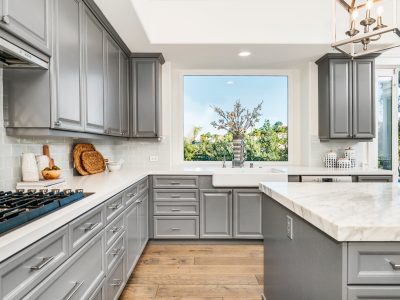
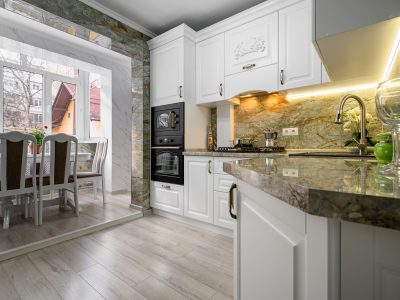
Marble countertops have remained a popular choice in kitchen design for decades. Homeowners continue to choose marble because of its timeless appearance, elegant veining, and ability to make a space feel brighter and more refined. Whether used in a custom kitchen, a marble island, or a vanity top, marble adds a level of character that many other countertop options struggle to match.
Stone International helps South Florida homeowners navigate exactly that decision, offering a wide selection of marble and other natural stone surfaces for kitchens, bathrooms, and beyond. They help homeowners find the right natural stone for their space, budget, and lifestyle.
This guide explains what marble is, how it performs in a kitchen, how to care for it, and how it compares to other countertop materials.
What Makes Marble Unique
According to the U.S. Geological Survey, marble is a metamorphic rock formed from limestone or dolomite under high temperatures and pressure deep within the Earth. It is during this process that the crystal structure and natural veining develop, making each slab unique.
The most popular varieties are Carrara marble, with its soft gray veining on a white background, and Calacatta, which has larger, more dramatic veining. Statuario marble is bright white with high contrast; Arabescato has intricate patterning; Crema varieties are warmer in gold and beige tones, and Nero Marquina has a bold black finish.
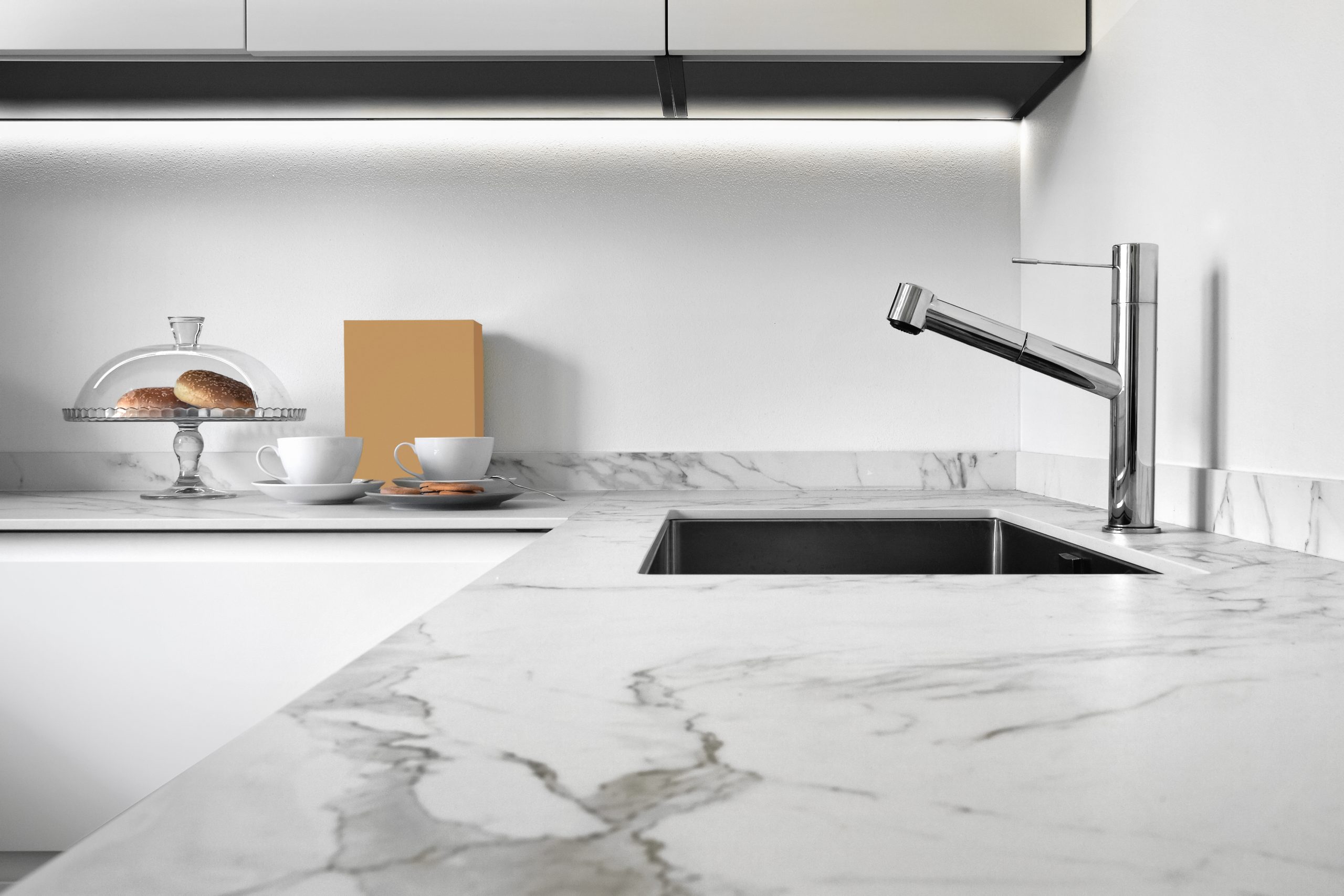
White marble countertops remain the most sought-after because they reflect light, brighten a kitchen, and naturally complement nearly any cabinet color or style.
Marble Countertop Care and Maintenance
Marble requires more maintenance than granite or quartz because it is more porous than most countertop materials.
Marble can stain if liquids are left on the surface. Also, acidic foods and drinks, such as lemon juice, wine, and vinegar, can etch the marble’s surface, dulling it.
Both staining and etching are manageable with the right care routine.
Daily Care Habits Worth Keeping
Sealing the surface helps prevent liquid absorption. Most marble countertops need to be sealed once a year; however, high-use kitchens may require more frequent sealing.
The basic maintenance practices are:
- Cleaning with a neutral cleaning agent on a soft sponge or cloth
- Promptly removing spills, particularly if acidic
- Using cutting boards instead of cutting directly on the marble surface
- Using trivets for cookware instead of placing hot items directly on the surface
Many people opt for a honed surface rather than a polished one. It has a matte finish and helps make etching less noticeable.
Marble vs. Other Countertop Materials
Comparing marble to other surfaces may make your choice a bit easier.
Granite
Granite is more durable than marble because it is denser and more resistant to damage. It’s also stain-resistant; however, it lacks the luminescence associated with marble.
Quartzite
Homeowners who like the aesthetics of marble but want a more durable option often choose quartzite. It is harder, more acid-resistant, yet has that marble-like natural veining.
Quartz
Quartz surfaces are non-porous, so they don’t need sealing and require minimal maintenance, though they don’t offer the same depth as natural marble.
Soapstone
Soapstone is highly resistant to acids and is often chosen for more specialized design preferences. Its dark coloring palette and softness set it apart from other surfaces.
One thing homeowners love about marble is its character. It develops a beautiful patina with age, showing signs of everyday use.
Where Marble Works Best
In addition to kitchen countertops, marble works well in other areas of the home.
- Kitchen islands
- Bathroom vanity tops
- Fireplace surrounds
- Backsplashes
- Baking stations
Bakers have long favored marble for its naturally cool surface, which makes working with dough significantly easier.
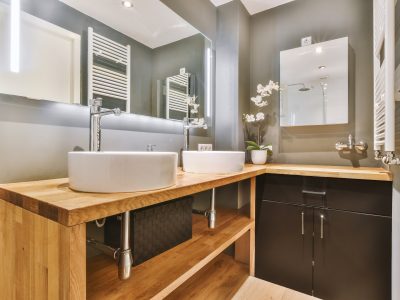
Marble is a preferred surface for bathroom vanities because it does not face the same exposure to acidic foods and heavy wear.
Are Marble Countertops Worth It?
Whether marble countertops are worth the investment really depends on what matters to you.
If low maintenance is a top priority, then marble is probably not what you are looking for. But if you want natural beauty, beautiful veining, and a material with a long history in architecture, then marble is likely to impress.
When properly cared for, marble countertops last for decades and hold their value.
Before deciding on this surface, it is important to be aware of the material’s features. For instance, marble is prone to staining and etching; resealing is needed regularly. The finish choice significantly affects the surface’s performance. Natural variations are also an important consideration, since no two pieces of marble are identical. Once you know what to expect from this surface, marble tends to deliver exactly what homeowners are looking for.
Stone International works with South Florida homeowners to find the right slab, finish, and fit for their space. Schedule an appointment to get started.